
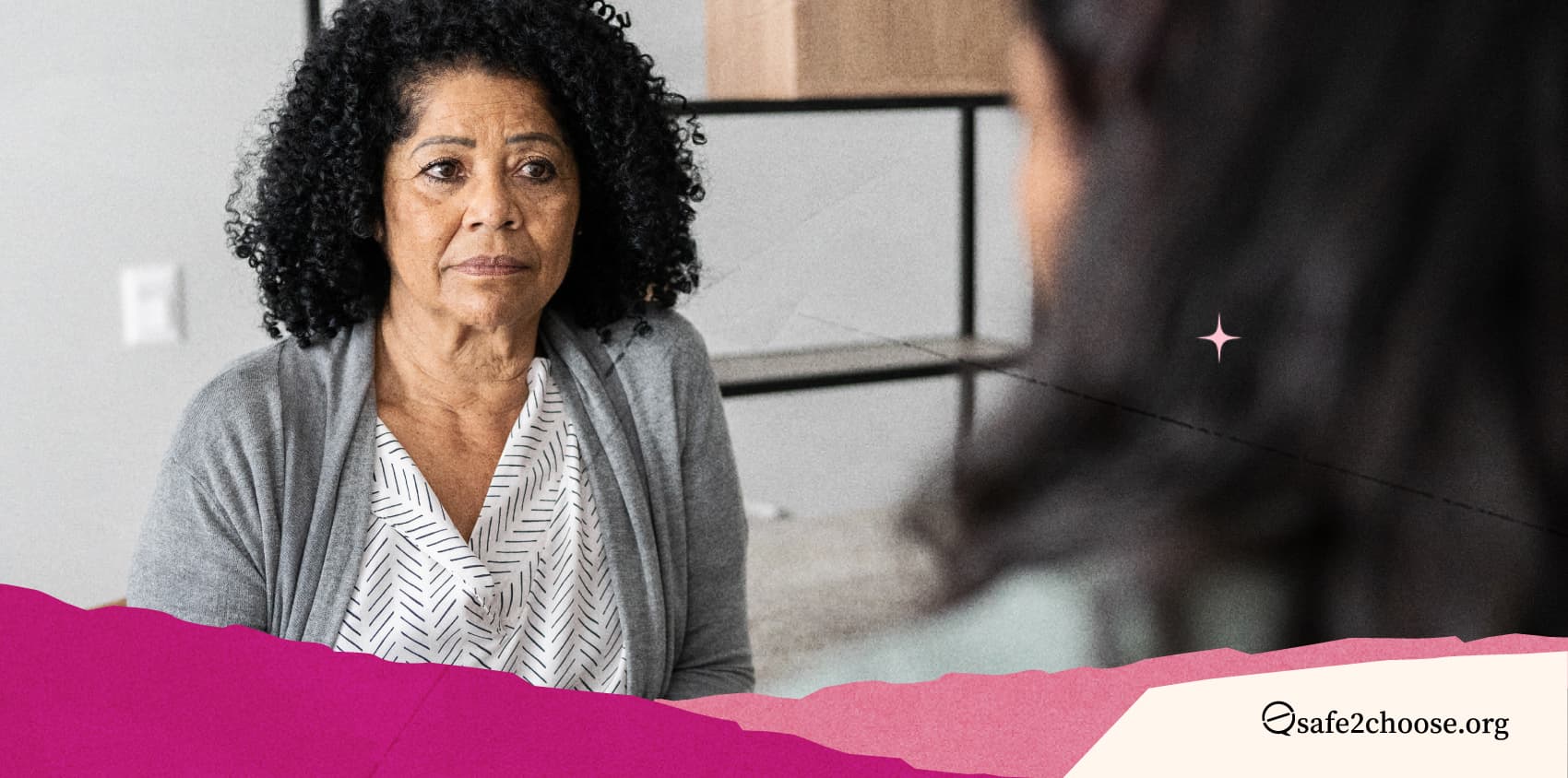
When you need to decide on your reproductive health, choosing what to do isn’t always a straight answer.
This is especially when you need to consider the choice of continuing or ending the pregnancy. Everyone deserves the right to access safe abortion and the correct information about it. Myths and misconceptions surrounding abortion are common after many years of stigmatization, but it is particularly hard when this kind of judgement comes from the people you love.
What Does Abortion Stigma from a Loved One Look Like?
Abortion stigma may involve negative beliefs, judgments, stereotypes, or reactions toward someone because they have had, are considering, or are associated with abortion (1).
Abortion Stigma from a Partner
From a partner, abortion stigma may come in the form of disagreement and judgement that may stem from a lack of information or prejudice against female reproductive health and rights.
The reason can range from pure ignorance itself or a form of control on the other partner, and disagreements may veer into the territory of intimate partner violence or IPV.
Abortion Stigma from Family or Friends
Family and friends can also be a source of pain for the person receiving an abortion if they harbor abortion stigma. This isn’t to say that everyone needs to agree with you or your decision 100%, but even if a person disagrees with someone’s decision to end their pregnancy, they should still treat them with dignity and respect.
Why Can Abortion Stigma from Someone You Love Feel So Painful?
When you have important news in your life, you would want to tell someone that you love and feel like you can trust.
A systematic review on abortion stigma showed that women who have had abortions experience fear of social judgment, self-judgment, and a need for secrecy. Secrecy was associated with increased psychological distress and social isolation. Some studies have found stigmatizing attitudes in the public (2). Women already experience this much pain when dealing with the public and society. Therefore, when you tell your loved ones and they react in such a negative and judgmental way, it’s hard not to feel that you may be alone in this world, and no one has the capacity to understand or help you.
When people in your life cannot be trusted, but you still need help, a problem arises. This is what is called “unwanted abortion disclosure," and it could have quite an effect on the person receiving the abortion. Unwanted abortion disclosure and involving someone who does not support the decision were associated with more symptoms of depression, anxiety, and stress (3).
Why Might a Loved One React Negatively to Your Abortion?
According to the WHO, there are four main reasons that one may harbor abortion stigma towards a loved one. Firstly, it’s linked to negative religious connotations with abortion. Some people may believe that abortion is a sin because they see it as “taking a life." Secondly, the law: some countries or states may have incredibly restrictive or outright criminalizing abortion laws, leading some people to see that abortion is an unlawful act. Other reasons are related to toxic cultural and gender norms to ascribe those who have had abortions as being “marked”, “impure” or “damaged” (4).
How Can You Talk to Someone Who Judges Your Abortion?
Of course, having the “talk” is a very complicated process, and one size does not fit all. There are some things you need to know if you’re not sure that your family or partner accepts your decision for abortion. Here are some conversation pointers that may help you make your way through this. You must remember this though, you don’t have to convince someone to accept your decision 100%, as your loved ones, you just want them to know of your decision, whether they agree or not.
Decide Whether the Conversation Feels Safe
You don’t have to share this information with every single friend or family. Try to figure out who you can trust by remembering your past conversations. Does this person seem to value your health and well-being? Are you able to, in the past, express your opinions and feelings without them insulting or belittling you? Were you at any point able to have civil disagreements on topics you care about? These are just some signs to point you to a person who can disagree with you but still cares about your well-being and your happiness.
Explain What Kind of Support You Need
Sometimes, your loved ones don’t always know what you want or need. It is completely fine to tell them what type of support that you need and how you wish to be loved and cared for. Remember that it is completely okay to ask for help should you need it. Humans rely on each other, and community is incredibly vital, especially to someone who is having an abortion, a procedure that faces so much unfounded stigma. You never have to do this alone.
If your loved one is someone with abortion stigma, you can go to them by saying things like:
“I know you may have different feelings about my abortion, but right now I need you to listen to me.”
Or
“This hasn’t been an easy decision for me, yet I’ve made it, and you must respect it. Now, I just need to get to the clinic/pharmacy; can you please take me?”
Set Clear Boundaries Around Hurtful Comments
We’ve gotten to the important part: setting boundaries. As mentioned above, of course, not everyone has to agree with your ideas, but they can still be respectful and cordial to you if they really do care about your health and well-being.
Should your loved ones repeatedly shame, judge, or make you feel small about your decision to get an abortion, you do not have to force yourself to sit there and take it. Communicate to them clearly about your limitations. They do not have the right to bar you from making choices about your life, especially one as big as this. Tell them off right away if they start to make comments that make you feel worse about your situation or your decision. Decide to end the conversation if it is not going anywhere and seek advice from someone else who can help you get through it.
What Should You Do When Abortion Stigma Becomes Pressure or Emotional Abuse?
Reproductive coercion is recognized as a form of intimate partner violence (IPV) (5).
Reproductive coercion involves attempts to sabotage or impede contraception, refusing to use protection, or intentionally exposing a partner to a sexually transmitted infection (STI) or human immunodeficiency virus (HIV). In the context of abortion, a person may control the outcome of a pregnancy by forcing the pregnant person to continue the pregnancy or to have an abortion or to injure them in a way that harms the pregnancy (5).
In such cases, you must cease communication and proximity with this person immediately and ask for help; either find a loved one or a family/friend to stay with or engage with a community or center that can help you.
How Can You Cope with a Loved One’s Negative Reaction to Your Abortion?
Understand that not everyone is able to agree with your decisions and accept them.
At the same time, know that in the end YOU ALONE reserve the right to what you should do about your sexual reproductive health and rights. You do not owe anyone anything. You made a decision that you think is good for you.
Abortion stigma does not serve anyone. All it does is push people into secrecy and towards unsafe abortion, which can result in serious health consequences.
If you truly cannot find anyone in your life that can support your abortion, there are services that are available for you to find a trusted and confident ally, like Ally by safe2Choose, that is able to guide you through your abortion journey, as well as our trusted counselors by visiting https://safe2choose.org/.
Get Confidential and Judgment-Free Abortion Support
If you don’t have a loved one you can trust, getting advice on abortion can be daunting for many, but our counselors at safe2choose are available for you at all stages and will assist in getting you through the necessary steps. Contact them through our live chat or e-mail at info@safe2choose.org.
At safe2choose, our trained counsellors are here to provide compassionate and confidential support to help you make informed decisions about your pregnancy. Whether you need assistance understanding your gestational age, guidance on safe abortion methods, or information on post-abortion care, we’re here for you every step of the way. Your safety and well-being are our top priorities, and we ensure that you receive accurate information and access to safe abortion options. Visit https://safe2choose.org/.


